2021年4月26日 星期一

生命典範的故事 - 李亮欽老師 (沈金標及其文創故事-2)


生命典範的故事 - 李亮欽老師 (沈金標)
http://hanchingchung.blogspot.com/2018/04/blog-post_28.html


沈哥

2018年7月18日 ·

高齡八十的李老師師母

2020.8.30


在東海,我們有許多見證人如同雲彩圍繞我們。我想到了李老師賢伉儷,他們家是影響我信主最大的幫助。每周到李家的查經、夜談是當時窮學生如我的一大享受。李老師在1970年來台宣教,先在台大物理系任教一年,隔年才轉到東海任教。親眼見證他們的人品、家庭說服我信耶穌真是一件美好的事。一直到1980年,倍加團契增長到200人。
當時,我跟另一位李伯伯共同在東別成立福音中心。有一天傍晚,韓裔盧師母慌慌張張地跑來問我:”聽說附近有個醫生,住哪兒?李家的孩子不能呼吸了。”我一聽回說:”不能呼吸要趕緊送醫院。”我以為是哪個李家的小嬰孩…等到我弄清楚是李老師的二女兒佩琴Stephany,就趕緊騎著摩托車載純道一起過去看看。
到李老師家,上了二樓,已經有人在急救,他就是住在附近的中心醫院副院長。約莫十分鐘,醫生說,還是不行,送到醫院再try try…於是我跟純道把佩琴抬到樓下,放在盧師母的旅行車上送醫,其實那時佩琴已經斷氣了…
到了中心醫院急診室,又是電擊又是按摩,半小時後宣告放棄。那時李老師正在菲律賓開宣教會議,打電話通知他回來。我心中一直問:”主啊!這麼愛主的女孩,怎麼才十多歲就把她接去呢?”李老師師母一家的傷痛不在話下。
過不久追思禮拜在路思義堂,校牧魏牧師跟我說,他跟李家不是很熟,要我講追思信息。當時,我提到自己的小妹也是不到20歲,不久之前因病毒侵入腦部卻誤診為感冒,以致病情日益嚴重。後來送台北國泰,也是到院死亡,搶救無效又送回台中。(早些我打電話給台北杜哥,請他去醫院幫我看看,杜哥到醫院時我妹妹已經又被送回台中了。杜哥打電話給李老師,李老師來福音中心找我,按著我的肩膀說……四十年了,難以忘記那痛心的一刻。)
接著,李老師載我回家,剛好妹妹車子也到,李老師幫忙把我妹妹抬下車。我說:”李老師抬我妹妹下車,我抬李老師女兒上車,結果都沒救回她們的生命。但我知道也確信佩琴已經睡在基督懷裡,總有一天在天上還要相聚。而我妹妹卻因沒信主而永隔在另一方…”能不悵然而淚下?
李老師師母經喪女之痛仍然忠心服事,不改其志。他們的生命見證影響了數百青年學子。甚至已高齡超過八十歲,仍然惦念東海的各樣事工。目前新冠毅情仍緊,暫時不能回東海,但每周末仍發起網路禱告會,為東海、為台灣、為世界…禱告。
《我實實在在地告訴你們,一粒麥子不落在地裏死了,仍舊是一粒,若是死了,就結出許多子粒來。》約翰福音12:24


****

文創故事-2
前文提及筆者棄建築投入傳道,並非不喜歡建築,更非讀建築有多艱辛。相反的,我倒是讀出了心得,對建築當然也有相當程度的熱愛。
東海建築1971年考進18位,另有3名僑生,共21位同學。我們那班有點特別,不知大家為何如此熱愛建築,或許該說是熱愛”東海建築”,考分都相當高。東海狀元及前三都是班上的女同學,成績都足以進入台大。我是中段,成績離台大最低分只差十分。系主任漢寶德先生破例親自從新生開始帶我們班。
建築系學生的生活因做設計通常是不太正常的,熬夜通宵趕圖是經常的事,清晨踏足晨曦中的東海草地,是輕飄飄的,其實是頭重腳輕。身體也因此受到傷害,我大三得了十二指腸潰瘍,主裡的師父王醫師說這沒藥可醫,必須改變生活型態,還要心情穩定情緒平靜,這我聽進去了,到現在快五十年了,胃疾都沒復發。我做設計,按照流程,養成紀律,該到哪階段就到哪個階段,絕無拖延也不連夜趕圖。當時信了耶穌,靠著對主的信心有不少幫助。還能關照新生,參加團契、舉辦山地服務…等等活動。
前文提及壓力最大的畢業設計,我得84分,是五年所做設計的最高分。每個同學自己選擇題目,我做的是”靜宜大學遷建案”,當時,靜宜是女子文理學院,我去找神父院長說,我幫你們改制為大學,校址就選在當時的台中港市都市計畫裡的”文事中心”,還鼓勵他們去爭取,果真他們也遷校成功,就在我建議的那塊地。(可惜,他們沒採用我的規畫圖,要不然…)所以,我的畢業設計按部就班,穩穩妥妥,早就請了三個學弟幫忙製圖做模型,等待評圖+畢典。
在1976年此時,約四月底吧,多數同學覺得設計做不完,無法按期在五月中評圖。於是,在男白宮召開班會討論,商請老師們延期評圖。所謂延期,就是沒學期成績,就是必須缺席畢業典禮。我覺得,這茲事體大!因我爸四個孩子只有我唸大學,供了五年,不能參加畢典,情何以堪?投票表決,只有兩票反對,所以延到六月再評圖。畢典建築系只有一個畢業生,是留級兩年的僑生。我呢,頂著老爸失望的眼神,苦中作樂,到處參加送舊活動。
大學五年,除了專業學習的收穫,最大的應該是信了耶穌,參加教會、團契,認識許多基督徒老師與同學。前文提及的王醫師,大我十歲,馬來西亞大學醫學院畢業,在新加玻開業數年,關了診所到東海當校醫,傳福音是主業,十年後去香港大學醫學院教書,經常去大陸訓練赤腳醫生。王醫師年近八旬,仍在西澳柏斯行醫。
另一位師父是物理系的李老師,對我影響最大,在人生生命重點啟發我走上又新又活的路。生物系的歐老師也是好朋友,下一篇將要寫歐氏伉儷的故事。
大學五年,細數主的恩典無數…大一當了幾個月的跆拳社教練,大一暑假認識了李老師參加查經班,大二暑假信了主耶穌,大三開始帶學弟妹,辦過無數聚會,在教堂幫彰師大的教授翻譯,在教堂辦過現代舞福音短劇,在教堂辦第一屆的民謠大賽,在銘賢堂辦過布袋戲公演,在陽光草坪辦過山地舞表演,還辦過溜冰表演…其實,也不枉那短短五年了!
照片是1976年騎摩托車去日月潭畢旅,我左邊是那次的女伴…都不知人在哪了…

2021年4月18日 星期日

葛飾北齋 熱:從漢清講堂 199: 葛飾北齋と浮世絵2017。到:NHK 歴史探偵「葛飾北斎 天才絵師の秘密」『知られざる北斎』

 葛飾北齋 熱:從漢清講堂 199: 葛飾北齋と浮世絵2017。到:NHK 歴史探偵「葛飾北斎 天才絵師の秘密」『知られざる北斎』

https://www.facebook.com/hanching.chung/videos/4389317167745723


199 葛飾北齋と浮世絵 2017-09-15 漢清講堂

https://www.facebook.com/hanching.chung/videos/4389317167745723


北斎館(ほくさいかん)は長野県上高井郡小布施町にある美術館。日本浮世絵協会加入施設。

概要[編集]

江戸時代末期に、高井鴻山の招聘により小布施に長期逗留した、浮世絵師葛飾北斎の肉筆画約40点を中心に、全体で約100点を展示、収蔵する。また浮世絵関連の書籍約3000点を所蔵する。

1966年モスクワサンクトペテルブルクで開催された葛飾北斎展で、小布施に関連した北斎の作品が展示され、世界的な評価を得たことを機に、国内の巡回展を経て、記念館建設の機運が醸成されたことにより、1976年11月7日に開館、1977年当時の町長を中心に財団法人を設立、1991年に増改築した。

開館以来、北斎研究の重要拠点としての役割を果たしている。館内には、肉筆舞台、企画、映像の各展示室と、研修室がある。出版物には「財団法人北斎館収蔵品図録」を刊行している。

展示作品[編集]

北斎が鴻山や小布施の町組の依頼に応えて制作した上町・東町祭屋台の天井画をはじめ、「柳下傘持美人」、「白拍子」、「八朔太夫」、「桔梗」、「菊図双幅」、「大竜巻」、「富士越龍」の軸装、「七小町」の八曲一隻屏風、書簡などがある。

東町祭屋台は竜と鳳凰の二面の天井画を持ち、ともに125cm2の正方形で、竜は紅の地色に描かれ、金箔が多用されている。鳳凰は紅、緑、朱、青、茶色などを用いて描かれ、翼を広げ、尾羽を画面全体を包み込むように伸ばし、金色の球体が散りばめられている。上町祭屋台は東町のものと同じ大きさで、桐板に北斎が創出した怒涛図の二面の天井画を持つ。ともに長野県宝に指定されている[1]

脚注[編集]

  1. ^ 「信州の博物館」p.54

参考文献[編集]

  • 『信州の博物館』 朝日新聞長野支局、1983年
  • 『長野県美術大事典』 郷土出版社 1986年
  • 『長野県の博物館』 長野県教育委員会 1989年
  • 『小布施・奥信濃の美術館』 郷土出版社 1998年
  • 『信州の花と美術館』 小学館 1998年


2021年4月9日 星期五

287 日本漢學家《青木正兒全集》簡介,以今冬心的藝術為主;北京風俗圖譜


1.日本東北大學珍藏近百年的117幅北京風俗圖片首度公開
2.日本著名漢學家青木正兒、內田道夫與中國著名畫師劉延年等強強聯合而成的圖譜,全面完整地介紹北京風俗,品味千年文化都城的古韻。
3.留存逐漸消失的北京風俗,重現近百年前的老北京人生活。
4.王冶秋、老舍感慨“中國也沒有這麼全的風俗圖譜”
5.揚之水作序推薦,並言“以圖譜的形式詳細介紹北京風俗,我所知道這是唯一一部”。
OKEYSHOES.COM
風俗圖譜(帶書匣版)精裝彩色版
彩色版,以一百餘幅彩畫廣泛地反映了民間傳統活動


  • 青木正児全集春秋社、1969-75、復刊1984ほか
  1. 『支那文学思想史・支那文学概説・清代文学評論史』
  2. 『支那文藝論叢・支那文学藝術考』
  3. 『支那近世戯曲史』
  4. 『新訳楚辞・元人雑劇序説・元人雑劇』
  5. 李白
  6. 金冬心之藝術・中華文人画談・歴代画論・鉄斎解説』
  7. 『江南春・琴棋書画・雑纂』
  8. 『中華名物考・中華茶書・随園食単』
  9. 『酒中趣・中華飲酒詩選・華国風味』
  10. 芥子園画伝』、訳著・神田喜一郎補訂解説


https://www.youtube.com/watch?v=LX5WGkQY1IM


YOUTUBE.COM

2020.7.11 我有許多話可以補充
首先是日本作學人全集的做法,很值得參考。
《青木正兒全集》的主編者是吉川幸次郎 (這是品質保證.....)--兩人的漢學路線稍微不同,然而,吉川在高中決心當"漢學家",特地去找青木談.....兩人對中國戲曲都有研究。
日本出版社發行全集/套書的方式也很可參考,通常會另外有附隨的小"報":請請熟人寫傳主,或請學者找舒發高見......等等,內容充實。印象深刻的是,《書道全集 2 漢》的"本卷執筆者"有"小川環樹",可是我在書中找不到他寫了那些。
多年之後,我讀小川 環樹 《論中國詩》1986/2009之後才恍然大悟:
第四章 《鏡銘的抒情成分——漢代文學的一個側面》"的解說,讓我們知道,文中所說的梅園博士作品,在《書道全集 2 漢》(此書台北大陸書局有漢譯),而小川 環樹 的文章,刊在隨書附贈的《月報》,這是日本出版社出版/發行《全集》的獨特方式,我在談《青木正兒全集》中說過。另外,鏡銘的抒情成分——漢代文學的一個側面是1958年稿,距今62年,不知學問推進多少? 


第二有感慨的是,『清代文学評論史』(岩波書店 1950),在1969年有中文版:

《清代文學評論史》( 台北:開明,1969)的序言:黃得時教授(1909~1999)1969年 61歲:發表〈清代文學評論史序文〉(青木正兒原著,鄭淑女譯,黃得時譯序文)(黃得時先生傳【蕭麗華撰述】。此文收入本書。
http://www.cl.ntu.edu.tw/zh_tw/Members/teacher12/-%E9%BB%83%E5%BE%97%E6%99%82-76959313
我在2020年元月才拜讀《清代文學評論史》( 台北:開明,1969),對於作者的淵博和譯者的文筆,都很佩服。我又自問,這樣優秀的作品,台灣為何沒書評?20幾年之後,我在某教授的專書中讀到幾則批評,不過我認為是小毛病。


梁容若(1904~1997)教授:陳淑女學士畢業論文談青木正兒著『清代文学評論史』之指導教授;主編的《書和人》月刊,是60年代起的重要學術圈 (東海的師長 (戴君仁、藍文徵、梁容若、陳兼善、莊喆....)、東海的學生,好幾位是該刊作者:本書收錄陳淑女翻譯三、四篇 〈評美國瓦特遜著《司馬遷傳》和《史記》〉、 〈論語雜感〉、〈 杜甫與李白的詩〉、 〈新五代史的文體特色〉等都刊登於,《書和人》,而 〈評美國瓦特遜著《司馬遷傳》和《史記》〉更是樑教授比較全面評介當時瓦特遜翻譯及著作之一部分。
由於其《坦白與說謊》等書由台灣開明書局出版,所以陳淑女最重要的《清代文學評論史》可能是他介紹的。
梁教授的選題有眼光,譬如本書的吉川幸次郎的〈杜甫與李白的詩〉,就遠比吉川幸收入其《中國詩史》的李杜交遊考好得多。梁教授在該文末對吉川幸次郎的介紹也很簡要(《書和人》有一篇介紹當時出版的《吉川幸次郎全集》,參考鄭樑生教授(1929-2007)〈吉川幸次郎全集〉,《書和人》,1972.11.11)。

讀者也可從陳淑女在〈清代文學評論史序文〉的譯後記中,了解梁教授的貢獻。


徐復觀教授(1903-1981):中國文學、政治思想史、藝術/美學史專家,報紙雜誌時論雜文家。可能是陳淑女的最重要恩師之一。著有《中國人性論史先秦篇》、《中國藝術精神》、《兩漢思想史》、《中國文學論集》、《中國思想史論集》等。

本書相關的「書信卷」,收三封陳淑女問候徐教授的信 (1961 年、1973 年、 1982 年)。介紹青木正兒著『清代文学評論史』(岩波書店 1950)給陳淑女。囑陳淑女翻譯「唐代的繪畫」(摘自〈隋唐之繪畫〉),刊登於《文星》。

青木正兒 金冬心1687~1763 胡適 周作人


青木正儿《中國近世戲曲史》《中华名物考》《琴棋書畫》《金冬心的藝術》試問有錢百萬河東客,可買松陰六月涼?

日本漢學家青木正兒全集簡介 https://www.youtube.com/watch?v=…


287 日本漢學家青木正兒全集簡介

日本漢學家青木正兒(1887-1964), 師事狩野直喜, 内藤湖南等京都支那學家, 一生著作豐碩, 留下全集十本。 HC特別擇其中文藝書畫等篇章, 簡介金冬心(揚州八怪之一)及與胡適等人書信往來, 期能一窺日本漢學家治學梗概。另介紹王.....


「白苧袍,青絲履,清旦山行松里許。松風為我一掃地,忽作水聲吹到耳。耳中生豪但願如松長,此身落落如松強。試問有錢百萬河東客,可買松陰六月涼?」


HCBOOKS.BLOGSPOT.COM
30:52 NOW PLAYING 287


 明治二十五年の春、私は赤間関あかまがせき(今の下関)文関尋常小学校に入学した。たしか二年の修身の教科書に「九年母くねんぼ」という話が載っていた。田舎の子供が母から九年母を親戚に贈る使いを言いつけられて、途中風呂敷包を開けてみると九個ある、一個食べておいて、「八年母を差し上げます」と差し出したという話。私はなぜかその話が面白くて、今でもその挿図の子供の姿が眼に残っている。私は九年母が好きであった。味よりもあの香気が好きだったのである。
 あれから三十年、私は父の死後、京都に落着くつもりで下鴨にいおりを結んだ。名づけて守拙廬という。扁額は亡友本田蔭軒君の筆、刻は主人自刀である。少しばかりの空地に植える果樹の苗を数種取り寄せたが、なかに九年母三本を加えることを忘れなかった。それからまた三十余年、他の果樹は育たなかったり枯れてしまったりしたが、九年母二本と柿一本とだけは恙無つつがなく現存している。特に九年母は繁茂して、近来年々三百の実を付ける。初夏には王朝の花橘はなたちばなをしのばせる香が小園に満ち、冬にはトキジクノカクノコノミのように熟れた実が濃緑の葉かげに金色の光を放つ、これが主人自慢の種である。皮ごと竪に二つに割って、横に薄く切り、醤油を滴らして食うと、酒の肴に珍無類、仙気を帯びた異味となる。子供たちは酸っぱいと言って軽蔑し、あの香気の素晴しさを説いて、皮ごと食えと教えても決して食わない。なるほど実の酸っぱいのが玉にきずである。
 このことを山口である人に話して、京都の地味に合わないのだろうと言うと、その人が言う、「幾分そういう関係もあるでしょうが、九年母は蜜柑みかんのように甘くはありませんよ。それは子供の時食べたものは何でも旨かったように思われるのですよ。私の亡父が永らく東京に住んでいて、山口県の楊梅(ヤマモモ)は旨かった旨かったと言いつめておりました。母が、それは子供の頃おあがりになったからですよ、あんなもの旨いはずはありませんよ、と言っても、頑として聴き入れませんでした」と、大笑いしたことがあった。楊梅は私の育った下関の家にもあったし、塩水に浸して虫を出してから食べさせられたもので、なつかしい味の一つであるが、今は山口でもその附近でも一向めぐり会わない。苺や桜桃の流布した今日、あのような野味は駆逐されるのが当然である。九年母にしても段々なくなっていくというが、いくらひいき目に見ても、ネーブルの敵ではない。ただあの皮の香気と実の味とを兼ね備えたところだけは自慢できる。ネーブルの皮は香りはあるが苦くて物にならない。柚子ゆずの皮は香味を備えているが、実は酸っぱすぎて話にならぬ。九年母はやはり香味独絶する。
 子供の頃食べた郷土の味はなつかしい。下関に接近して彦島がある。今は海底トンネルの入口があったり、工場があったりして、昔の面影はないが、私の子供の頃は農村漁村が散在して、麦味噌の名産地、したがってまたその味噌漬は朝の茶漬の食膳を賑わす妙品として馬関バカン(下関)人に愛好された。「せきのお茶漬、出がけにあがれ」とは、口先ばかりのお愛想、人情の軽薄を諷刺した諺であるが、馬関の風俗は、通勤者の家庭はいざ知らず、われわれの家では朝は茶漬、昼に飯を炊くので、学校の弁当なんかも温かいのができると使いが持ってきた。それで少し贅沢なところでは、毎朝早く焼たての蒲鉾かまぼこが茶漬の菜に置いて歩かれた。それはともかく、彦島から娘っ子が「イギース、イギース」と触れて売りに来た。イギスというのは海藻の一種で、それで造ったトコロテンのようなものである。これを厚く切って酢味噌で食べると、すっぱりとして、磯の香がして好ましいものであった。このイギスの味噌漬ときたら珍中の珍であった。まるで羊羹ようかんのような色に漬っているが、塩からくて、一切れあれば一度の茶漬が食えたほどで、私は羊羹などよりこれを好んだ。
 彦島の北方に六連(むつれ)島がある。ここは下関名産雲丹うにの塩辛の発祥地である。小さな島であるが、どうした加減か雲丹が繁殖していて、漁村の副業に塩辛を造っていた。これに目を付けたのが「和田又」という海産物問屋で、全島の出産品を買い占めて、それにアルコールを加えて防腐し、瓶詰にして売り出した。商品として他国に出すには妙法であろうが、雲丹の味はさっぱり駄目になってしまい、しかも和田又が買い占めているために純粋な品が得にくくなったので、辛党であった私の亡父などは憤慨していた。時たま六連島の者がこっそり、今で言えばヤミで売りに来ると、父は喜んで買わせた。私はまだ雲丹の味を知らなかったけれど、色あいは良く、固形が多くて、今言うところのツブウニであった。和田又の子息は私と小学校で同級であり、家業を継いだはずであるが、あの家は今次の大戦で爆撃に遭うて、再起不能に陥ったという噂を聞いた。気の毒なことだ。
 さて雲丹は大人の食うものとして、われわれ子供に適したものにニイナといって、サザエに似てしかも小さな小さな貝があった。夏に家の近くの海で泳ぐ時、もぐっては石崖に付着しているこの貝を取るのが面白く、十数個もたまると持って帰ってでてもらい、木綿針の先で、ぐるっと廻して、ほじり出しては食べる。よい加減の塩気があって磯くさく、旨いというほどでもないが、楽しいことであった。泳ぐ時、底にもぐるとミルがいくらでもあるので、子供たちは取って遊んだ。何にするというでもない、ただ取るのが面白く、あとはそこらに捨てて帰るのである。後年京都に来て驚いた。刺身の妻にミルが付けてある。あんなものを食べるのかと、海に遠い京都の人を気の毒に思った。
 最後に私の最も好んだ海味を一つ付け加えるならば、それはメノクキである。「芽の茎」という意味らしいが、若布の生え始めに芽が五、六寸か七、八寸伸びて、まだ葉の出ない前の茎である。ゆえに完全には「ワカメのメノクキ」と呼んだ。これを適宜に切って三杯漬にすると、こりこりとして歯切れが良く、何とも言えぬ味のものであった。今食ったら、さぞかし酒の肴に珍妙であろうが、いやもう駄目だ。こう歯が悪くなっては。
(あおき まさる、京大名誉教授・中国文学、三六・七)


底本:「「あまカラ」抄2」冨山房百科文庫、冨山房
   1995(平成7)年12月6日第1刷発行
底本の親本:「あまカラ 8月号 第六十号」甘辛社
   1956(昭和31)年8月5日発行
初出:「あまカラ 8月号 第六十号」甘辛社
   1956(昭和31)年8月5日発行
入力:砂場清隆
校正:芝裕久
2019年11月24日作成
青空文庫作成ファイル:
このファイルは、インターネットの図書館、青空文庫(https://www.aozora.gr.jp/)で作られました。入力、校正、制作にあたったのは、ボランティアの皆さんです。


●表記について
  • このファイルは W3C 勧告 XHTML1.1 にそった形式で作成されています。


包浩斯群英(BAUHAUS, 1919-1933):簡介與導讀:Paul Klee transcends time.Lyonel Feininger (1871~1956) , Paul Klee (1879~1940)等作Postcards for the Lantern Festival

 Bauhaus 群英 ,Lyonel Feininger (1871~1956) , Paul Klee (1879~1940)等作Postcards for the Lantern Festival


https://www.facebook.com/hanching.chung/videos/4362586683752105


Wassily Kandinsky and Paul Klee, 1929


Photo by Lily Kleе

206 包浩斯群英(BAUHAUS, 1919-1933):簡介與導讀 2018-01-10 漢清講堂

https://www.youtube.com/watch?v=ywF5VAkBsxM


Is there beauty in technological progress? In the 1920s, Paul Klee thought so.
"Paul Klee. The Mystery Constructed" is a new exhibition at Munich's Die Pinakotheken exhibition hall, the pieces inspired by Bauhaus aesthetics yet radiating an element of mystery.
If you can't make it to Munich, here's our own gallery of some of the pieces being shown.


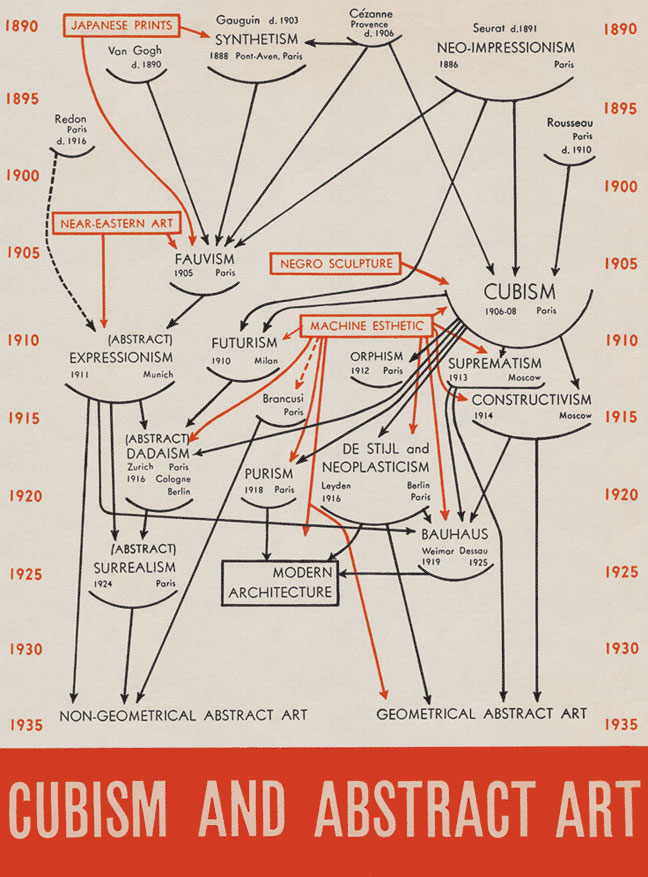
此書有中譯: 現代主義,遼寧教育出版社,2002
然而,錯誤可能不少,舉其第265頁之圖為例
Paul Cézanne (1839–1906),可知: "d. 1906", " d. 1891"等表示 該藝術家的 "死亡年"。
"Negro Sculpture" 翻譯成"黑人願望",不知所云, 可能原用 "Negro Vision"?
BAUHAUS的 "Dessau 1925" 誤為1914

*****Alfred H. Barr Jr's classic “Cubism and Abstract Art” graph drawing. 1936


http://hyperallergic.com/wp-content/uploads/2012/09/barr-graph-680.jpg


請參考:月前紀念我的同學陳珍吾兄的

1919年,德國人格羅佩斯(Walter Adolph Georg…
YOUTUBE.COM

《喬治‧ 桑與福樓拜 》George Sand and Gustave Flaubert.;蕭邦與喬治桑; Letter from George Sand to Delacroix。 Delacroix 日記對喬治‧ 桑作品/劇的最好評論

 Delacroix 日記 1853.11.28,pp.273~74
對喬治‧ 桑作品/劇的最好評論;喬治‧ 桑 自己搞不清楚。她的作品不對法國人口味;也無法傳世。


****

我對德國、法國出版全集的努力,都很佩服。德國如音樂家韓德爾的。法國的,漢清講堂介紹過。
George Sand (20卷1990)與 Gustave Flaubert 兩人都是寫信高手。
Gustave Flaubert 的創作過程中的苦心等,都在信件找得到,譬如Vladimir Nabokov 在Lectures on Literature談Madame Bovary.
George Sand 的書信"數萬頁"(65歲:每天平均寫12封信;希望去的星球不知讀書寫信),編集、出版花百年以上。


http://hclectures.blogspot.com/....../201859-george......管理

HCLECTURES.BLOGSPOT.COM
《喬治‧ 桑與福樓拜 》The George Sand–Gustave Flaubert Letters.…

George Sand and Gustave Flaubert


38:52
227 《喬治‧ 桑與福樓拜 》 2018-0509 漢清講堂

https://www.youtube.com/watch?v=xdUyKDF71qo


George Sand、1804年7月1日 – 1876年6月8日可參考蕭邦傳記
蕭邦在巴黎 Chopin in Paris: The Life and Times of the R...

喬治桑,🇫🇷作家與女性主義先驅,與#蕭邦維持長達九年的伴侶關係,也是他最長久的一段感情。1836年前後,他們在#巴黎相遇,蕭邦拒絕先前與他人的婚約才能和她廝守。
時光荏苒,炙熱的愛情昇華成深厚的友誼。即便後來他的健康逐漸惡化,喬治桑依然不離不棄的悉心照顧與關懷。
想知道更多嗎? 歡迎參觀線上蕭邦展:
圖片: Chopin and George Sand
圖片來源: Wikimedia Commons
https://www.youtube.com/watch?v=xdUyKDF71qo&t=21s


更詳細的交往資料,參考索引項中的"George Sand"、"Nohant"、Chopin"等:
 有好幾年,Delacroix夏天常去 Nohant住一個月,直到 喬治‧ 桑與蕭邦分手1849 後......

Delacroix: A Life: Timothy Wilson-Smith: 9780094712706: Amazon ...

https://www.amazon.com/Delacroix-Life...Wilson-Smith/.../009471
DelacroixA Life [Timothy Wilson-Smith] on Amazon.com. *FREE* shipping on qualifying offers. This biography of the French Romantic artist Eugene Delacroix (1798-1863) offers a portrait of his life, loves.

http://hccart.blogspot.com/2017/06/george-sand-et-eugene-delacroix.html


****
Gender, performance and George Sand

THE-TLS.CO.UK

Birth of a writer
In her sprawling autobiography L’Histoire de ma vie (published in twenty volumes, 1854–5), George Sand pauses at a certain moment to describe the start of her penchant for storytelling. During her early years, before moving to her grandmother’s chateau in Nohant, in the Berry in Central France...

In her sprawling autobiography L’Histoire de ma vie (published in twenty volumes, 1854–5), George Sand pauses at a certain moment to describe the start of her penchant for storytelling. During her early years, before moving to her grandmother’s chateau in Nohant, in the Berry in Central France, she lived with her mother in a flat in Paris. Her mother, needing to control her small daughter who liked playing dangerously near the pot simmering on the stove, would enclose her within a little playpen built from four cane chairs turned backs inwards. Thus the mother could get on with her household tasks while the four-year-old, seated on an unkindled footwarmer, tried to unravel the chairs’ woven caning and at the same time prattled ceaselessly. Sand claims not to rem­ember anything about her tales’ content. Her mother seems to have created the memory for her daughter, partly at least, calling…
****
MONCARNETGEORGESAND.FR

Accueil - Mon carnet George Sand
PartagerTweet


Nohant en automne
YOUTUBE.COM
Nohant en automne
Nohant en automne... Photos sur plusieurs automnes, photos ancienne
****
6.28 介紹喬治‧ 桑母子(Maurice) 共同出書 (居住區/省Berry的民間傳說集):當然Maurice 插畫。喬治‧ 桑寫給其子的感謝信如附:


Always be wary of the water that sleeps ...

In 1858, George Sand and his son combined their talents to publish an illustrated book: The Rustic Legends. The novelist-ethnographer brings into contextualizing, twelve of the most vivid legends in the Black Valley, his son made charcoal drawings imagining stories.
The original drawings of Maurice are kept in Nohant, six of them adorn for a long time the walls of the dining room, including that of the "Grandes demoiselles" ...
These ghosts with the appearance of a woman, prowl in the forests, feed on the fogs present around the stagnant water points and steal the people they meet ...
Maurice and his mother had already worked together on this theme, a few years earlier: George Sand had published in the magazine l'Illustration, texts illustrated by Maurice, offering an anthology of Berry legend.

In the original edition of this book _numerized by the BNF, visible on Gallica: thank you Gallica! _, A letter from George Sand addressed to Maurice serves as foreword, the autograph has unfortunately disappeared ...:

"Nohant, August 1, 1858.
My dear son, you have collected various traditions, songs and legends, which you have done well, to illustrate; for these things are lost as the peasant becomes enlightened, and it is good to save from oblivion which is moving quickly, some versions of this great poem of the marvelous, of which humanity has been nourished for so long, and of which the country people are today, without their knowledge, the last bards.
I therefore want to help you to collect some scattered fragments of these rustic legends, the bottom of which is found almost in all France, but to which each locality has given its particular color and the stamp of its fantasy. "

Engraving of the drawing of Maurice des Grandes demoiselles for the edition of Le Légendes Rustiques of 1858, cover page and foreword of the book; photo of Maurice by Nadar in 1866 (Gallica).


Toujours se méfier de l'eau qui dort...
En 1858, George Sand et son fils allient leurs talent pour faire publier un ouvrage illustré : Les Légendes rustiques. La romancière-ethnographe y rapporte en les contextualisant, douze des légendes les plus vivaces en Vallée Noire, son fils ayant fait au fusain les dessins imageant les histoires.
Les dessins originaux de Maurice sont conservés à Nohant, six d'entre eux ornent depuis très longtemps les murs de la salle à manger, dont celui des "Grandes demoiselles"...
Ces fantômes aux apparences de femme, rôdent dans les forêts, se nourrissent des brouillards présents autour des points d'eau croupie et volent les personnes qu'elles rencontrent...
Maurice et sa mère avaient déjà travaillé ensemble sur cette thématique, quelques années auparavant : George Sand avait fait publié dans la revue l'Illustration, des textes illustrés par Maurice, offrant un florilège des légendes berrichonnes.
Dans l'édition originale de cet ouvrage _numérisé par la BNF, visible donc sur Gallica : merci Gallica !_, une lettre de George Sand adressée à Maurice sert d'avant-propos, l'autographe a malheureusement disparu... :
"Nohant, le 1er août 1858.
Mo cher fils, tu as recueilli diverses traditions, chansons et légendes, que tu as bien fait selon moi, d'illustrer ; car ces choses se perdent à mesure que le paysan s'éclaire, et il est bon de sauver de l'oubli qui marche vite, quelques versions de ce grand poème du merveilleux, dont l'humanité s'est nourrie si longtemps, et dont les gens de campagne sont aujourd'hui, à leur insu, les derniers bardes.
Je veux donc t'aider à rassembler quelques fragments épars de ces légendes rustiques, dont le fond se retrouve à peu près dans toute la France, mais auxquelles chaque localité a donné sa couleur particulière et le cachet de sa fantaisie."
Gravure du dessin de Maurice des Grandes demoiselles pour l'édition des Légendes rustiques de 1858, page de couverture et avant-propos de l'ouvrage ; photo de Maurice par Nadar en 1866 (Gallica).


***

At the end of 1838, George Sand took his children and Frédéric Chopin to the island of Mallorca. After having a hard time finding accommodation in the outskirts of Palma, they finally settled in mid-December in an almost deserted monastery, located in a mountainous and exotic environment: the village of Valldemossa.
A few days after their installation in this place outside the world and out of time, Chopin writes the following letter to Julien Fontana, a friend of youth established in Paris, to deliver his impressions ...

Frédéric Chopin to Julien Fontana, at the Carthusian monastery of Valldemossa, December 28, 1839 (Correspondence of Frédéric Chopin, volume n ° 2):

"You can imagine me between the rocks and the sea, in a cell of an immense Carthusian with doors bigger than any door of Paris. I'm here without crimps or white gloves, and pale as usual.
My cell, shaped like a large coffin, has a huge dusty vault, a little window overlooking the orange trees, the palm trees, the cypresses of the garden. Facing the window, under a filigree rosette of Moorish style, a strap bed ...
Silence ... We can shout ... silence again. In a word, I write to you from a very strange place ...
You say that you sent me a letter from mine. I did not see anything, nor received. And yet, she would be so necessary to me ... "

Portrait of Chopin in Dante, by Delacroix (Delacroix Museum in Paris); photos of Valldemossa in the 1930s and the cell garden of the monastery, engraving after a drawing by Maurice Sand (Gallica).


A la fin de l’année 1838, George Sand emmène ses enfants et Frédéric Chopin sur l’île de Majorque. Après avoir eu beaucoup de mal à se loger décemment dans les environs de Palma, ils s’installent finalement à la mi-décembre au sein d’un monastère quasi déserté, situé dans un environnement montagneux et exotique : le village de Valldemossa.
Quelques jours après leur installation au sein de cet endroit hors du monde et hors du temps, Chopin écrit la lettre suivante à Julien Fontana, un ami de jeunesse établi à Paris, pour lui livrer ses impressions…
Frédéric Chopin à Julien Fontana, à la chartreuse de Valldemossa, le 28 décembre 1839 (Correspondance de Frédéric Chopin, volume n°2) :
« Tu peux m’imaginer entre les rochers et la mer, dans une cellule d’une immense chartreuse aux portes plus grandes qu’aucune porte cochère de Paris. Je suis là sans frisures, ni gants blancs, et pâle comme à l’ordinaire.
Ma cellule, en forme de grand cercueil, a une énorme voûte poussiéreuse, une petite fenêtre donnant sur les orangers, les palmiers, les cyprès du jardin. Face à la fenêtre, sous une rosace filigranée de style mauresque, un lit de sangle…
Silence… On peut crier… silence encore. En un mot, je t’écris d’un endroit bien étrange…
Tu dis m’avoir fait suivre une lettre des miens. Je n’ai rien vu, ni reçu. Et pourtant, elle me serait si nécessaire… ».
Portrait de Chopin en Dante, par Delacroix (Musée Delacroix à Paris) ; photos de Valldemossa dans les années 1930 et le jardin des cellules du monastère, gravure d'après un dessin de Maurice Sand (Gallica).


-----
這篇是說喬治‧ 桑訪問福樓拜家時,仍然急著要去愛她的孫女 (名字與喬治‧ 桑相同,我在片中默也談她教孫女Iliad By Homer.....

"Have to hurry to love!"

George Sand at Flaubert, August 6, 1867, Aurore was then 18 months ... (Volume 20 of the Correspondence George Sand by Georges Lubin).

"When I see the harm that my old man gives himself to make a novel, it discourages me with my ease, and I tell myself that I'm doing tidy literature." I finished Cadio, he's been in the paws for a long time Buloz: I'm doing another machine *, but I can not see it clearly yet, what to do without sun and without heat?
Now I should be in Paris, see the exhibition at my ease and walk your mother with you. But you have to work well since I only have that to live. And then the children! This Aurora is a marvel. You must see it well, I will not see it for a long time, I do not think myself destined to make old bones: I must hurry to love! "

* We propose the following translation (...): "on the sly" ???
** George Sand started a new novel titled Miss Merquem.

Photo of Aurore in 1867 or 1868 by Bizard, photographer in Saint-Amand-Montrond (reproduced in the work of Claude Malécot, George Sand Félix Nadar).


"Faut se dépêcher d'aimer !"
George Sand à Flaubert, le 6 août 1867, Aurore avait alors 18 mois... (Tome 20 de la Correspondance de George Sand par Georges Lubin).
"Quand je vois le mal que mon vieux se donne pour faire un roman, ça me décourage de ma facilité, et je me dis que je fais de la littérature savetée*. J'ai fini Cadio, il est depuis longtemps dans les pattes de Buloz. Je fais une autre machine*, mais je n'y vois pas encore bien clair, que faire sans soleil et sans chaleur ?
C'est à présent que je devrais être à Paris, revoir l'exposition à mon aise et promener ta mère avec toi. Mais il faut bien travailler puisque je n'ai plus que ça pour vivre. Et puis les enfants ! Cette Aurore est une merveille. Il faut bien la voir, je ne la verra peut-être pas longtemps, je ne me crois pas destinée à faire de bien vieux os : faut se dépêcher d'aimer !"
*Nous proposons la traduction suivante (...) : "à la sauvette" ???
**George Sand a commencé un nouveau roman intitulé Mademoiselle Merquem.
Photo d'Aurore en 1867 ou 1868 par Bizard, photographe à Saint-Amand-Montrond (reproduite dans l'ouvrage de Claude Malécot, George Sand Félix Nadar).


****
我在影片中談過 George Sand與大畫家 Delacroix 的故事。
今天的Sand 粉絲頁很可以參考。法文翻譯成英文比較可讀:
During his second stay in Nohant for two weeks during the month of July 1843, Eugène Delacroix took the time to paint a bouquet of flowers in a vase. These flowers, very surely picked in the garden of George Sand, were immortalized by the painter to the delight of the novelist who hurried to frame the canvas to hang on one of the walls of his room. Nohant, as she writes to Delacroix in the following letter.

The work in question, indexed very quickly by the art historians who cataloged the work of Delacroix after his death, bears the title of "Flowers in a vase and fruits". The painting belongs to the collections of the Belvedere Museum in Vienna, Austria. It is exceptionally visible at this moment at the exhibition that the Louvre Museum is offering to Delacroix on the occasion of the 220th anniversary of his birth. George Sand sold this painting in 1864 at the time of the great auction of the painter's works at his death.

Letter from George Sand to Delacroix, written at Nohant November 4, 1843 (Correspondence George Sand by Georges Lubin, Volume 6):

"Dear friend, are you suffering? You have worked too much, you have neglected my hygienic prescriptions, the exercise, the air.If you were with me, braving the cold of the evening, the rain of the day, the mud, the devil of the storm, you would strengthen yourself ...
I am in clogs all day and only come back for dinner. I do not plant a blade of grass without thinking of you, without remembering how you love and how you appreciate the flowers, and how you feel them, and how you understand them and how you paint them. My beautiful vase painted by you is framed. I did not move him in spite of your opinion, because if I put him above me, where I work, I'm forced to give myself a stiff neck to see him. Instead of where he is, I see him from my bed waking up and from my writing table, and from everywhere. This is my focus. There is not a floret, a detail that does not remind me of everything we said while you were at your easel ... ".

Flowers in a vase and fruit, Belvedere Museum, Vienna; portrait of George Sand by Delacroix in 1838, Copenhagen; St. John's wort; the St. John's Wort (recognized in the bouquet ...) of Nohant in 2018 ...

---
My George Sand notebook

At the beginning of the year 1855, to escape Nohant after the dramatic death of Nini _the daughter of Solange, her granddaughter adoree, George Sand accompanied by Maurice and Alexandre Manceau, left for a stay of 2 months in Italy. She had not planned this expense and Manceau participated generously in the expenses of this life-saving trip.

After seeing Rome, they settled for some time in the Roman countryside, in the village of Frascati exactly. They found renting the ground floor of an old patrician villa: Villa Piccolomini, later Villa Lancelloti (still standing!).

George Sand at Solange, Frascati, April 1, 1855 (letter n ° 6622, volume 13 of George Sand's Correspondence by Georges Lubin):
"The country is a beauty of which no story can ever give the idea. Frascati is a tiny town on one of the nipples that form the first Apennines. The place is high enough so that in the garden we see the whole countryside of Rome, and the whole chain of Apennines, from Tuscany to Abruzzo ...
Around us the hills are covered with abandoned villas ..., open to everyone, because there is nothing to fly, and monstrous trees, gushing fountains, rocks, waterfalls can not be carried ... ".

Photo of Lancelloti city (formerly Piccolomini); portraits of George Sand by Thomas Couture (1850) and Manceau by Nadar (1864).

https://moncarnetgeorgesand.fr


Au début de l’année 1855, pour fuir Nohant après la mort dramatique de Nini _la fille de Solange, sa petite-fille adorée_, George Sand accompagnée de Maurice et d’Alexandre Manceau, part pour un séjour de 2 mois en Italie. Elle n’avait pas prévu cette dépense et Manceau participa généreusement aux frais de ce voyage salvateur.
Après avoir vu Rome, ils s’établirent pour quelques temps dans la campagne romaine, au village de Frascati exactement. Ils trouvèrent à louer le rez-de-chaussée d’une ancienne villa patricienne : la villa Piccolomini, devenue plus tard la Villa Lancelloti (toujours debout !).
George Sand à Solange, à Frascati, le 1er avril 1855 (lettre n°6622, tome 13 de la Correspondance de George Sand par Georges Lubin) :
« Le pays est d’une beauté dont aucun récit ne pourra jamais donner l’idée. Frascati est une toute petite ville sur un des mamelons qui forment les premières assises des Apennins. L’endroit est assez élevé pour que de plain-pied dans le jardin nous voyons toute la campagne de Rome, et toute la chaîne des Apennins, de la Toscane aux Abruzzes…
Autour de nous les collines sont couvertes de villas abandonnées…, ouvertes à tout le monde, car il n’y a rien à voler, et les arbres monstrueux, les fontaines jaillissantes, les rochers, les cascades ne peuvent être emportés… ».
Photo de la ville Lancelloti (anciennement Piccolomini) ; portraits de George Sand par Thomas Couture (1850) et Manceau par Nadar (1864).


Lors de son deuxième séjour à Nohant _ long de deux semaines_, durant le mois de juillet 1843, Eugène Delacroix prit le temps de peindre à l'huile un bouquet de fleurs dans un vase. Ces fleurs, très sûrement cueillies dans le jardin de George Sand, ont été immortalisées par le peintre pour le plus grand bonheur de la romancière qui se dépêcha de faire encadrer la toile afin de l'accrocher à l'un des murs de sa chambre à Nohant, comme elle l'écrit à Delacroix dans la lettre qui suit.
L'oeuvre en question, répertoriée très vite par les historiens de l'art qui cataloguèrent l'oeuvre de Delacroix après sa mort, porte le titre de "Fleurs dans un vase et fruits". La toile appartient aux collections du Musée du Belvédère à Vienne en Autriche. Elle est exceptionnellement visible en ce moment-même à l'exposition que le musée du Louvre offre à Delacroix à l'occasion des 220 ans de sa naissance. George Sand a vendu cette toile en 1864 au moment de la grande vente aux enchères des oeuvres du peintre à sa mort.
Lettre de George Sand à Delacroix, écrite à Nohant le 4 novembre 1843 (Correspondance de George Sand par Georges Lubin, tome 6) :
"Cher ami, vous êtes donc souffrant ? Vous avez trop travaillé, vous avez négligé mes prescriptions hygiéniques, l'exercice, l'air. Si vous étiez avec moi, bravant le froid du soir, la pluie de la journée, la boue, le diable de la tempête, vous vous fortifieriez...
Je suis en sabots toute la journée et ne rentre que pour dîner. Je ne plante pas un brin d'herbe sans penser à vous, sans me rappeler comme vous aimez et comme vous appréciez les fleurs, et comme vous les sentez, et comme vous les comprenez et comme vous les peignez. Mon beau vase peint par vous est encadré. Je ne l'ai pas déplacé malgré votre avis, parce que si je le mets au-dessus de moi, à l'endroit où je travaille, je suis forcée de me donner un torticolis pour le voir. Au lieu que là où il est, je le vois de mon lit en m'éveillant et de ma table en écrivant, et de partout. C'est mon point de mire. Il n'y a pas une fleurette, un détail qui ne me rappelle tout ce que nous disions pendant que vous étiez à votre chevalet...".
Fleurs dans un vase et fruits, Musée du Belvédère, Vienne ; portrait de George Sand par Delacroix en 1838, Copenhague ; les millepertuis de Nohant ; les millepertuis (reconnus dans le bouquet...) de Nohant en 2018...

在1843年七月1843日的第二次逗留期間, 尤金德拉克花時間在花瓶里畫一束花. 這些花, 很可能是在喬治沙的花園里被發現的, 被畫家留下了最偉大的快樂, 他是一個偉大的小說家, 他急忙把帆布掛在他的臥室牆上, 在他在nohant的一個臥室牆上, 她給德拉瓦德拉寫信. 在信之後

有關工作非常迅速, 在他死後cataloguèrent delacroix工作的藝術歷史學家非常迅速地列出了"花瓶 和 水果 中的 花"的標題, 全帆布屬於奧地利維也納的貝爾維德貝爾博物館收藏. 在這次展覽上, 羅浮宮博物館向delacroix提供了220年的出生, 這是非常明顯的. 喬治·沙在1864年把這幅畫賣了, 當時畫家的作品被偉大的銷售, 他的死亡.

1843年十一月4日喬治·沙德拉給德拉克魯瓦的信(喬治·沙賓的信件, 第6卷):

"親愛的朋友, 你在受苦嗎? 你工作太辛苦了, 你忽略了我的衛生要求, 鍛鍊, 空氣. 如果你跟我在一起的話, 如果你和我在一起的話
我整天都在蹄子上, 只回家吃晚飯. 我不會在沒有想到你的情況下種植一根草的草, 沒有提醒我你如何愛和如何喜歡花, 和你的感覺, 和你理解他們和你畫的他們. 你畫的漂亮花瓶是被陷害的. 我沒有移動它儘管你的意見, 因為如果我把它放在我上面, 我工作的地方, 我被迫給自己一個僵硬的脖子看它. 他不是在哪兒, 我在我的床上看到他醒來和我的桌子寫作, 到處都是. 這就是我的觀點. 沒有鞭打, 一個細節讓我想起了我們所說的一切, 而你在畫架上...".

在一個花瓶里, 一個花瓶, 一個花瓶, 一個花瓶, 一個花瓶, 一個花瓶, 一個花瓶, 一個花瓶, 一個花瓶, 一個花瓶, 一個花瓶, 一個花瓶, 一個花瓶, 一個花瓶, 一個花瓶, 一個花瓶, 一個花瓶和一個

https://moncarnetgeorgesand.fr/portfolio-item/frederic-chopin/

#georgesand #nohantvic #moncarnetgeorgesand #delacroix#maisondegeorgesand